

Protein Image

Everything You Need to Know About Protein and Its Benefits

Protein is an essential nutrient that plays a vital role in maintaining overall health and wellbeing. Often referred to as the building block of life, protein is made up of amino acids, which are crucial for building and repairing muscles, tissues, and organs. Whether you are an athlete aiming to enhance muscle growth or someone focused on maintaining a balanced diet, protein is indispensable for optimal body function.

Beyond supporting muscle repair, protein contributes to enzyme and hormone production, strengthens the immune system, and even provides a source of energy when needed. Including adequate protein in your daily diet can improve metabolism, aid in weight management, and support overall vitality. Sources of protein range from animal-based options like meat, fish, eggs, and dairy to plant-based options such as beans, lentils, nuts, and tofu. Understanding the importance of protein helps you make smarter nutritional choices for a healthier and stronger body.

Stay Energized
Revitalize My Routine
Explore Protein Nutrition

What is Protein?

Protein is a fundamental macronutrient that is essential for the proper functioning of the human body. It is composed of smaller units called amino acids, often referred to as the building blocks of life. These amino acids are responsible for forming muscles, tissues, enzymes, hormones, and antibodies, making protein a crucial nutrient for growth, repair, and overall health.

Proteins are classified into two main types: complete proteins, which contain all nine essential amino acids and are primarily found in animal-based foods like meat, fish, eggs, and dairy, and incomplete proteins, which lack one or more essential amino acids and are usually found in plant-based sources such as beans, lentils, nuts, and seeds.

Protein plays a variety of roles in the body beyond muscle building. It supports the immune system, aids in the production of vital enzymes and hormones, and can even serve as an alternative energy source when carbohydrates and fats are insufficient. Including an adequate amount of protein in your daily diet helps maintain healthy muscles, bones, skin, and hair.

For those aiming for weight management, proper protein intake can promote satiety and reduce unnecessary snacking. Understanding what protein is and how it functions in the body is key to achieving optimal health and wellness, making it a cornerstone of a balanced and nutritious diet.

Protein-web

Health Benefits of Protein

Protein is one of the most essential nutrients for maintaining overall health and wellbeing. Consuming adequate protein daily not only supports basic bodily functions but also provides a wide range of health benefits that contribute to a stronger, healthier body. From muscle growth to improved metabolism, the role of protein in your diet cannot be overstated. Here are 8 key health benefits of protein:

Supports Muscle Growth and Repair – Protein is vital for building and repairing muscles, especially after workouts or physical activity. It helps maintain lean muscle mass and promotes faster recovery.

Aids Weight Management – High-protein foods increase satiety, helping you feel fuller for longer, which can reduce overeating and support healthy weight loss.

Boosts Metabolism – Protein has a higher thermic effect compared to fats and carbs, meaning your body burns more calories digesting it, which can aid in metabolism.

Strengthens Bones – Adequate protein intake supports bone density and reduces the risk of fractures and osteoporosis as you age.

Supports Immune System – Proteins are building blocks for antibodies and immune cells, helping your body fight infections effectively.

Enhances Energy Levels – When carbs and fats are low, protein can serve as a backup energy source for your body.

Promotes Healthy Skin, Hair, and Nails – Protein contributes to the production of keratin and collagen, essential for healthy skin, hair, and nails.

Regulates Hormones and Enzymes – Proteins are crucial for producing hormones and enzymes that regulate vital body processes, from digestion to mood regulation.

Including sufficient protein in your diet ensures your body functions optimally while offering multiple health benefits that support overall wellness.

Protein-web

Different Types of Protein

Protein is a versatile nutrient that comes in various forms, each offering unique benefits for health and nutrition. Understanding the different types of protein can help you make informed choices for your diet, whether your goal is muscle growth, weight management, or overall wellness. Broadly, proteins can be classified into animal-based, plant-based, and supplemental proteins, each with distinct characteristics and advantages.


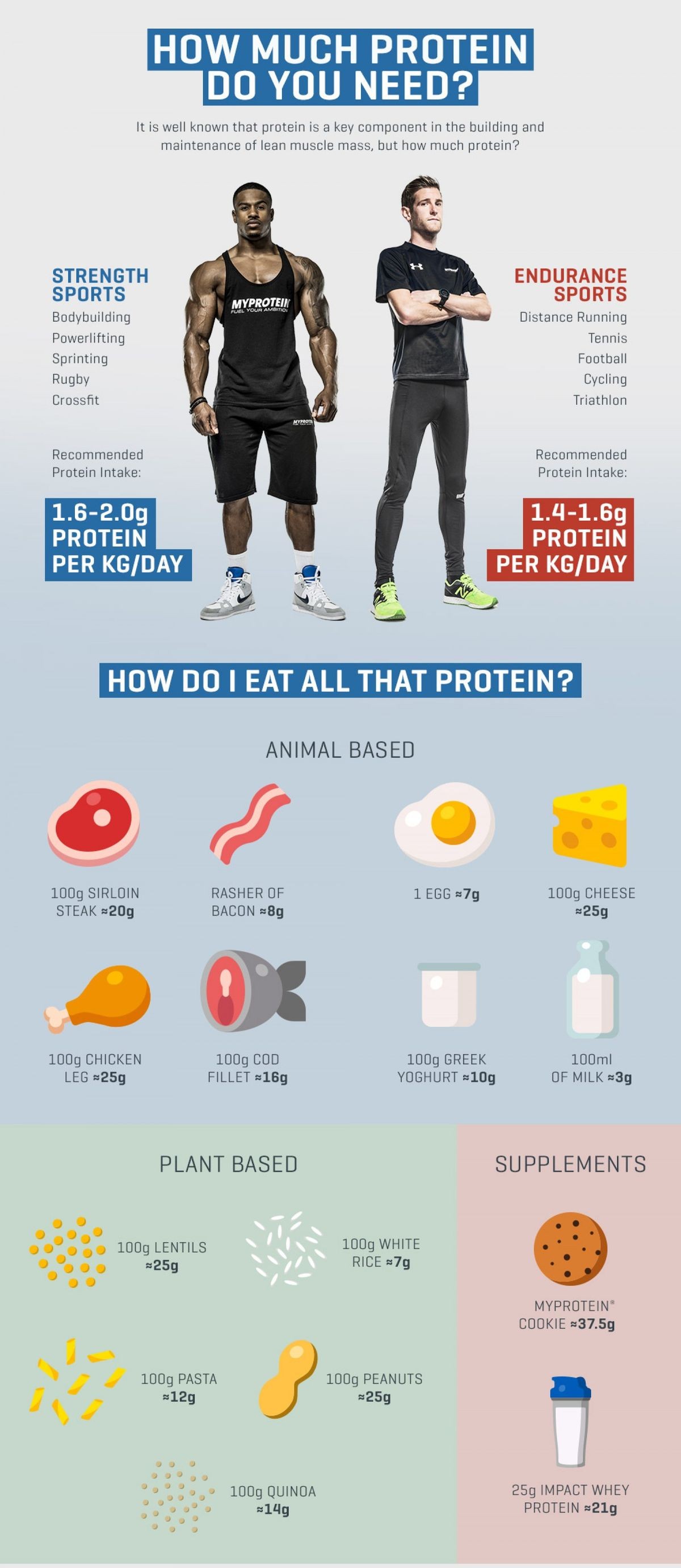
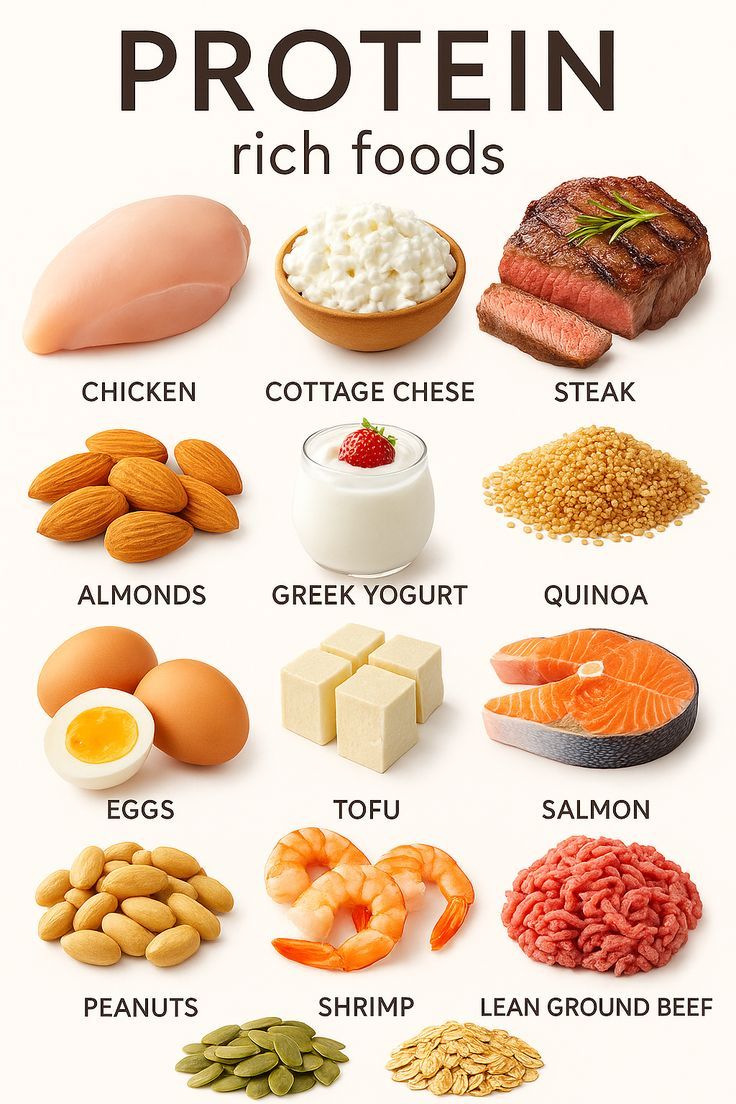
Animal-Based Proteins – These are complete proteins containing all nine essential amino acids that the body cannot produce on its own. Common sources include meat, fish, eggs, and dairy products. Animal proteins are highly digestible and are especially beneficial for muscle growth, tissue repair, and overall strength.


Plant-Based Proteins – Found in foods such as beans, lentils, chickpeas, tofu, nuts, and seeds, plant-based proteins are often incomplete, meaning they may lack one or more essential amino acids. However, combining different plant sources can provide a complete amino acid profile. Plant proteins are rich in fiber, antioxidants, and other nutrients, making them excellent for heart health and digestion.


Protein Supplements – Protein powders, shakes, and bars, such as whey, casein, and plant-based powders, provide a convenient way to meet daily protein needs. These supplements are ideal for athletes, busy individuals, or anyone looking to increase their protein intake without altering their regular meals.


By incorporating a variety of protein types into your diet, you can ensure balanced nutrition while supporting muscle growth, energy levels, and overall health. Understanding the right mix of proteins can help you achieve your wellness goals effectively.

How Much Protein Do You Need?

Determining how much protein you need is essential for maintaining optimal health, supporting muscle growth, and achieving your fitness goals. Protein requirements vary depending on factors such as age, gender, weight, activity level, and overall health. On average, the general recommendation for adults is 0.8 grams of protein per kilogram of body weight. For example, a person weighing 70 kg (154 lbs) would need approximately 56 grams of protein daily.

However, your protein needs may increase if you are physically active, an athlete, or aiming to build muscle. In such cases, experts suggest 1.2 to 2.0 grams of protein per kilogram of body weight to support muscle repair, recovery, and growth. Older adults may also require more protein to prevent muscle loss and maintain strength as they age.

It’s important to spread your protein intake evenly throughout the day by including protein-rich foods in every meal. Sources such as meat, fish, eggs, dairy, beans, lentils, nuts, and seeds provide high-quality protein to meet your daily requirements. For those with busy lifestyles, protein supplements like whey or plant-based powders can be a convenient way to reach your targets.

Understanding how much protein you need helps optimize muscle health, boost metabolism, support immunity, and maintain overall wellness. Tracking protein intake and incorporating a variety of protein sources ensures your body receives all essential amino acids while promoting long-term health and vitality.

Protein-web

Signs of Protein Deficiency

Protein is a vital nutrient that supports muscle growth, tissue repair, hormone production, and overall health. When your body does not receive enough protein, it can lead to several noticeable health issues. Recognizing the signs of protein deficiency early is crucial to prevent long-term problems and maintain optimal wellness.

Muscle Loss and Weakness – Protein is essential for maintaining muscle mass. A deficiency can cause muscle wasting, reduced strength, and fatigue, even with regular exercise.

Slow Healing of Wounds – Protein plays a key role in repairing tissues. Without adequate protein, cuts, bruises, and injuries take longer to heal.

Hair, Skin, and Nail Problems – Brittle nails, thinning hair, hair loss, and dry or flaky skin are common indicators of low protein intake.

Edema (Swelling) – Protein helps regulate fluid balance in the body. Low protein levels can lead to swelling, especially in the legs, feet, and hands.

Frequent Illness or Weak Immunity – Antibodies, which fight infections, are made of protein. Deficiency can weaken the immune system, making you more prone to illnesses.

Fatigue and Low Energy – Insufficient protein can reduce energy levels, leading to constant tiredness and difficulty performing daily activities.

Mood Changes – Protein is vital for producing neurotransmitters that regulate mood. Deficiency may cause irritability, anxiety, or depression.

Ensuring adequate daily protein intake from a variety of animal and plant sources helps prevent these issues and promotes strong muscles, healthy skin, and overall vitality. Recognizing the signs of protein deficiency is the first step toward maintaining a balanced and healthy diet.

Tips to Include More Protein in Your Diet

Protein is an essential nutrient that supports muscle growth, tissue repair, metabolism, and overall health. Ensuring you get enough protein daily can improve energy levels, support weight management, and enhance overall wellness. Here are practical tips to include more protein in your diet effectively:

Include Protein in Every Meal – Add protein-rich foods such as eggs, Greek yogurt, lean meat, fish, or tofu to every breakfast, lunch, and dinner to meet daily requirements.

Opt for High-Protein Snacks – Choose snacks like nuts, seeds, cheese, protein bars, or boiled eggs instead of high-carb or sugary options to boost protein intake between meals.

Use Protein Supplements if Needed – Whey, casein, or plant-based protein powders can help meet protein targets, especially for athletes or busy individuals with high protein needs.

Incorporate Plant-Based Proteins – Include lentils, beans, chickpeas, quinoa, and tofu in meals for a healthy, plant-based protein boost. Combining different plant proteins ensures a complete amino acid profile.

Add Protein to Drinks and Smoothies – Mix protein powder, Greek yogurt, or nut butter into smoothies or shakes for an easy and delicious protein-rich beverage.

Choose Protein-Rich Carbs – Foods like whole grains, quinoa, and oats provide both protein and energy, helping you balance nutrition efficiently.

By following these practical tips, you can increase protein intake naturally and consistently, supporting muscle health, energy, and overall wellbeing. Incorporating a variety of protein sources ensures your body receives essential amino acids for optimal function.

Conclusion

Protein is an essential nutrient that plays a vital role in maintaining overall health, supporting muscle growth, and ensuring the proper functioning of the body. From building and repairing muscles to producing vital enzymes and hormones, protein is indispensable for everyone, regardless of age or lifestyle. Including adequate protein in your daily diet helps boost energy levels, strengthen the immune system, support weight management, and maintain healthy skin, hair, and nails.

Understanding the different types of protein—animal-based, plant-based, and supplemental proteins—allows you to choose the right sources to meet your individual needs. Animal proteins provide all essential amino acids, while plant-based proteins offer additional fiber and nutrients that support overall wellbeing. Protein supplements can also be a convenient option for those with higher protein requirements or busy lifestyles.

Recognizing how much protein you need and the signs of protein deficiency ensures that your body functions optimally while preventing health issues such as muscle loss, fatigue, and weakened immunity. By incorporating practical tips to include more protein in your diet, such as adding protein to every meal, choosing high-protein snacks, and combining different protein sources, you can easily meet your daily protein goals.

In summary, prioritizing protein intake is crucial for long-term health, energy, and vitality. A balanced diet rich in protein empowers your body to function at its best, supporting overall wellness and helping you achieve your health and fitness goals.

FAQs About Protein

1. What is protein and why is it important?

Protein is a macronutrient made up of amino acids, essential for building and repairing muscles, tissues, enzymes, and hormones. It supports immune health, energy production, and overall wellbeing, making it a critical part of a balanced diet.


2. How much protein do I need daily?

Protein requirements vary based on age, weight, activity level, and health goals. The average adult needs about 0.8 grams per kilogram of body weight, while athletes or active individuals may require 1.2–2.0 grams per kilogram to support muscle growth and recovery.


3. What are the main sources of protein?

Protein sources include animal-based foods like meat, fish, eggs, and dairy, plant-based foods like lentils, beans, nuts, seeds, and tofu, and supplements like whey or plant-based protein powders.


4. What are complete and incomplete proteins?

Complete proteins contain all nine essential amino acids and are mainly found in animal foods. Incomplete proteins, usually from plants, lack one or more amino acids but can be combined to form a complete profile.


5. Can protein help with weight loss?

Yes, protein promotes satiety, reduces cravings, and supports metabolism, which can help with healthy weight management when combined with a balanced diet and exercise.


6. Is protein good for muscle growth?

Absolutely. Protein provides the building blocks (amino acids) necessary for repairing and building muscles after exercise, helping improve strength and endurance.


7. Can I get enough protein on a vegetarian diet?

Yes, by combining plant-based protein sources like beans, lentils, quinoa, tofu, and nuts, vegetarians can meet all essential amino acid requirements.


8. Are protein supplements necessary?

Supplements are not mandatory if you get enough protein from food, but they can be convenient for athletes, busy individuals, or those needing extra protein to meet daily targets.


9. What happens if I don’t get enough protein?

Protein deficiency can lead to muscle loss, weak immunity, fatigue, slow wound healing, brittle nails, hair thinning, and overall poor health.


10. Can too much protein be harmful?

Excess protein from whole foods is generally safe, but extremely high intake over long periods may strain kidneys, especially in individuals with pre-existing kidney conditions.


11. Is whey protein better than plant-based protein?

Whey protein is a complete animal protein, quickly absorbed, and excellent for muscle growth. Plant-based proteins are healthier for digestion and heart health but may need combining for a complete amino acid profile.


12. Can protein improve skin, hair, and nails?

Yes, protein is essential for producing keratin and collagen, which strengthen hair, nails, and skin, keeping them healthy and vibrant.


13. Does protein increase energy levels?

Protein can serve as an energy source when carbohydrates and fats are insufficient, helping sustain energy levels throughout the day.


14. Which protein is best for athletes?

Athletes benefit from whey, casein, or high-quality plant-based proteins that provide sufficient amino acids to repair and build muscles efficiently.


15. Can protein help with aging and muscle loss?

Yes, adequate protein intake in older adults helps prevent sarcopenia (age-related muscle loss), maintain strength, and support overall health.


16. How do I include more protein in my diet?

Add protein to every meal, choose high-protein snacks, combine plant proteins, use protein powders, and include lean meats, fish, eggs, dairy, legumes, and nuts regularly.


17. Is protein important for children?

Absolutely. Protein supports growth, development, tissue repair, and healthy immune function in children and adolescents.


18. Can protein help with satiety and appetite control?

Yes, high-protein foods make you feel full for longer, reducing hunger and helping control calorie intake naturally.


19. What are plant-based complete protein sources?

Quinoa, soy, chia seeds, and buckwheat are examples of plant-based complete proteins that provide all essential amino acids.


20. How does protein affect metabolism?

Protein has a high thermic effect, meaning the body burns more calories digesting it, which can slightly boost metabolism and support weight management.